Let’s know more about Pseudomonas
Pseudomonas is a genus of Gram-negative, rod-shaped bacteria widely found in the environment, including soil, water, plants, hospital settings and present in food, especially dairy and meat.
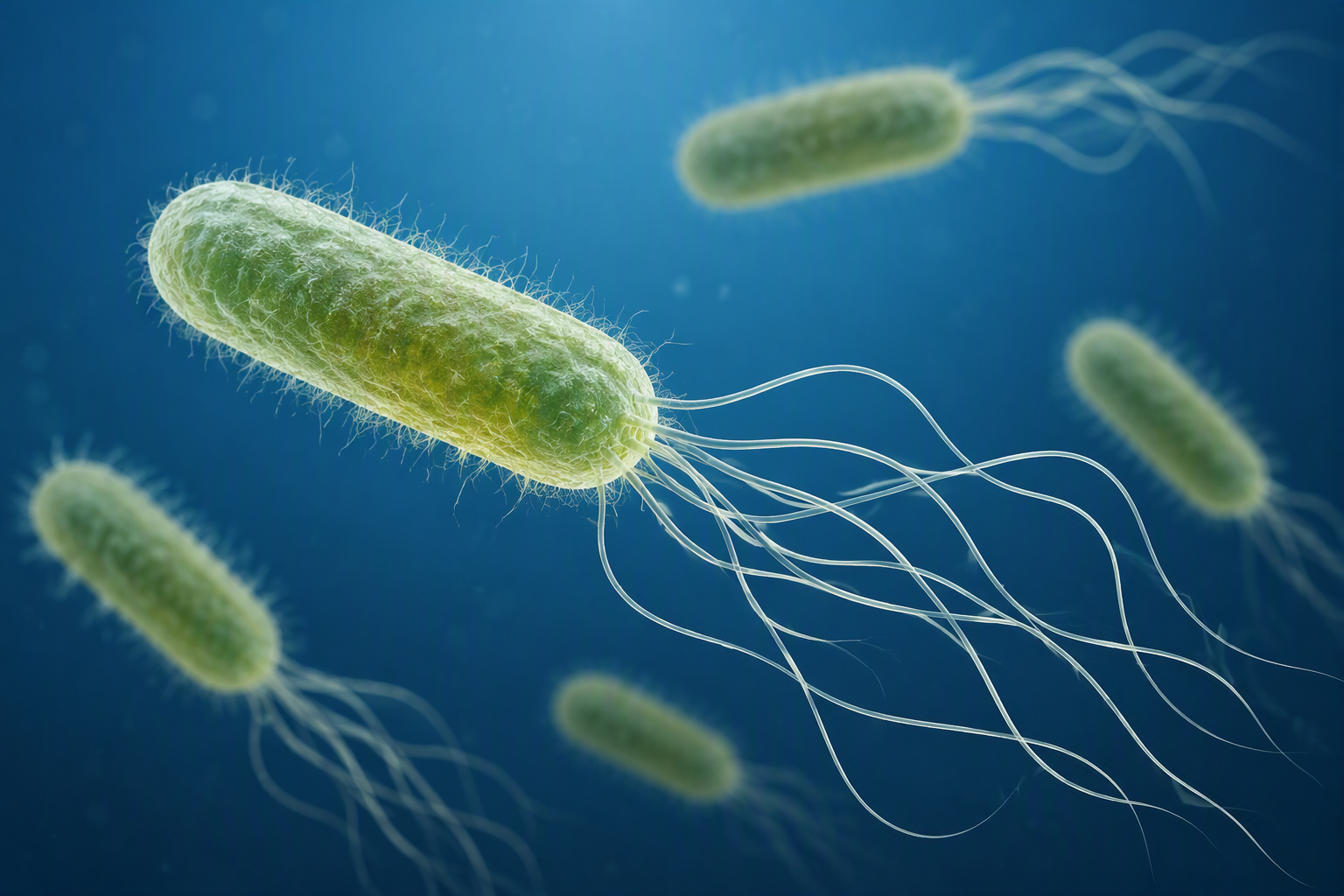
What is Pseudomonas?
Pseudomonas is a genus of Gram-negative, rod-shaped bacteria widely found in the environment, including soil, water, plants, hospital settings and present in food, especially dairy and meat.
Pseudomonas genus includes over 200 species. While many species are harmless, ubiquitous organisms, several are considered opportunistic pathogens. Notably, Pseudomonas aeruginosa is a notorious pathogen associated with a wide range of infections and increasing antibiotics resistance. Some other species, including Pseudomonas fluorescens and Pseudomonas putida, are of few clinical relevance, but linked to spoilage of food products and responsible for economic loss. They are commonly found in soil and water.
Cell Structure
Pseudomonas spp. are Gram-negative bacteria characterized by a cell wall with an outer membrane containing lipopolysaccharides. It is of rod shape and motile due to the presence of typically one or more flagella. These bacteria are known to form biofilm, which enhances survival in all kinds of environment including constantly cleaned industrial site, and contribute to antibiotic resistance. Some strains have a capsule that contributes to virulence.
Metabolism
Pseudomonas spp. have highly versatile metabolism. These bacteria primarily rely on aerobic respiration, though some species can grow anaerobically using nitrates as an alternative to oxygens. They are capable of utilizing a wide variety of organic compounds. and produce bioactive pigments such as pyocyanin (blue-green), which is characteristic of P. aeruginosa. Pseudomonas spp. reach optimal growth at 37°C but can survive at temperatures as low as 4 °C. Their versatility is another reason of their wide distribution, rapid proliferation and resistance to harsh environments.
Laboratory Detection Methods
Compliance with standards is essential to ensure safety. The enumeration of presumptive pseudomonas spp. for meat and meet products relies on standards NF ISO 13720:2010. The enumeration of pseudomonas spp. on milk and milk products is based on the standard ISO/TS 11059:2025 While the enumeration for water analysis responds to the formulation described in NF EN ISO 16266 :2006 and NF T90-421.
The classical methods for enumeration of pathogens in culture media are:
Biokar Diagnostics has also developed an alternative method, RHAPSODY Agar®, a selective medium for the enumeration of pseudomonas spp. in food products and environmental samples.
The validated method allows the enumeration in as short as 45 hours without confirmation. It is more efficient and easier to read than standard method.
This method is certified NF VALIDATION according to the validation protocol ISO 16140-2:2016, for the enumeration of Pseudomonas spp. in meat and dairy products.
Implications for Public Health and Food Safety
Public Health Impact
Pseudomonas aeruginosa is a major cause of hospital-acquired infections. Its resistance to multiple antibiotics makes it particularly dangerous. Outbreaks can occur through contaminated water systems, medical equipment, or poor hygiene practices. When ingested, Pseudomonas aeruginosa can cause numerous food-born illness, especially among fragile population, such as pregnant women and immunosuppressed patients. Pseudomonas spp. can also contribute to food spoilage, especially in refrigerated products and meat, dairy and fresh produce of reduced shelf life.
Symptoms
The symptoms depend on the site of infection and are:
- Respiratory infections: cough, difficulty breathing, chest pain
- Urinary tract infections: burning sensation, frequent urination
- Skin infections: redness, swelling, pus formation
- Bloodstream infections: fever, chills, fatigue
- Ear infections: pain, itching, discharge
Prevention and Control
Infection prevention relies on several complementary measures. In healthcare settings, it is essential to follow strict hand hygiene practices, ensure proper sterilization of medical equipment, monitor hospital water systems, and isolate infected patients when necessary in order to limit transmission.
In terms of food safety, for food manufacturers, appropriate refrigeration and temperature control of ingredients, production environment and products helps slow bacterial growth. Strict hygiene of handling and storage, along with rigorous cleaning of processing environments, reduce the risk of contamination.

More generally, it is recommended to avoid contact with contaminated water, especially in the presence of open wounds, to maintain good personal hygiene, and to use antibiotics only when prescribed to prevent the development of resistance.
Conclusion
Pseudomonas is a highly adaptable group of bacteria with significant implications in healthcare and food safety. While many species are harmless, Pseudomonas aeruginosa stands out as a major opportunistic pathogen. Understanding its characteristics, detection methods, and control strategies is essential for minimizing risks and protecting public health.